ÎÞÓǶÌÊÓÆµ

Healthcare News & Views

CEO Dr. Joshua Liu Shares Insight on How ÎÞÓǶÌÊÓÆµ has Revolutionized Patient Care

January 5, 2022
By
seamless

Recently, ÎÞÓǶÌÊÓÆµâ€™s CEO Dr. Joshua Liu a podcast initiative that aims to communicate important insights from experts within the healthcare industry and STEM communities to a broader audience in a simpler way. Featured on global platforms such as iHeartRadio, the team of journalists consists of members hailing from the University of Toronto, McMaster University, University of California Los Angeles, University of Guelph, York University, and more.

On the podcast, Dr. Liu delves into the origins of how he co-founded ÎÞÓǶÌÊÓÆµ, growing the company to be one of the world’s leading Digital Patient Engagement and Remote Monitoring platforms. ÎÞÓǶÌÊÓÆµ guides patients through healthcare journeys such as knee and hip surgery, cardiac or cancer care, and more, providing access to digital care plans on their smartphone, tablet, or computer. Meanwhile, providers can receive alerts and monitor patients on dashboards to catch problems earlier, increasing the quality of care. have shown ÎÞÓǶÌÊÓÆµ to reduce hospital length of stay by 1-2 days, readmissions by 72%, ER visits by 47% and hospital costs by $1,000-$2,000 per patient.

To increase the adoption of Digital Health, Dr. Liu advocated for more value-based care funding models:

"There are lots of new technologies that I am sure will evolve and make healthcare better, but if we keep relying on very archaic fees for service models in health care, it is going to keep slowing down adoption of technologies that could be helpful. If we move towards more value-based care funding and less fee-for-service, physicians and hospitals are going to naturally adopt better technologies to improve care because no longer will archaic funding models be a barrier."

Dr. Liu also went on to provide expert insight on the future of the healthcare technology industry in North America:

“I think anything that can be automated eventually will be. We have seen electronic reminders have replaced telephone call reminders and more recently, and this is still early stages, machine learning and AI are starting to read imaging scans and not too poorly. Just not well enough to replace physicians just yet. In many ways, it is inevitable to a certain extent. I do not think technology will ever replace doctors, and nurses, and the provider-patient relationship completely. But I do think technology will continue to allow providers to operate at the peak of their skill set. Technology will keep allowing less trained or less skilled providers to do things that traditionally required more of an expert to do.â€

â€
Access the , and listen to the

CEO Dr. Joshua Liu Shares Insight on How ÎÞÓǶÌÊÓÆµ has Revolutionized Patient Care

Posted by:
seamless
on
January 5, 2022

Recently, ÎÞÓǶÌÊÓÆµâ€™s CEO Dr. Joshua Liu a podcast initiative that aims to communicate important insights from experts within the healthcare industry and STEM communities to a broader audience in a simpler way. Featured on global platforms such as iHeartRadio, the team of journalists consists of members hailing from the University of Toronto, McMaster University, University of California Los Angeles, University of Guelph, York University, and more.

On the podcast, Dr. Liu delves into the origins of how he co-founded ÎÞÓǶÌÊÓÆµ, growing the company to be one of the world’s leading Digital Patient Engagement and Remote Monitoring platforms. ÎÞÓǶÌÊÓÆµ guides patients through healthcare journeys such as knee and hip surgery, cardiac or cancer care, and more, providing access to digital care plans on their smartphone, tablet, or computer. Meanwhile, providers can receive alerts and monitor patients on dashboards to catch problems earlier, increasing the quality of care. have shown ÎÞÓǶÌÊÓÆµ to reduce hospital length of stay by 1-2 days, readmissions by 72%, ER visits by 47% and hospital costs by $1,000-$2,000 per patient.

To increase the adoption of Digital Health, Dr. Liu advocated for more value-based care funding models:

"There are lots of new technologies that I am sure will evolve and make healthcare better, but if we keep relying on very archaic fees for service models in health care, it is going to keep slowing down adoption of technologies that could be helpful. If we move towards more value-based care funding and less fee-for-service, physicians and hospitals are going to naturally adopt better technologies to improve care because no longer will archaic funding models be a barrier."

Dr. Liu also went on to provide expert insight on the future of the healthcare technology industry in North America:

“I think anything that can be automated eventually will be. We have seen electronic reminders have replaced telephone call reminders and more recently, and this is still early stages, machine learning and AI are starting to read imaging scans and not too poorly. Just not well enough to replace physicians just yet. In many ways, it is inevitable to a certain extent. I do not think technology will ever replace doctors, and nurses, and the provider-patient relationship completely. But I do think technology will continue to allow providers to operate at the peak of their skill set. Technology will keep allowing less trained or less skilled providers to do things that traditionally required more of an expert to do.â€

â€
Access the , and listen to the

Recent news from ÎÞÓǶÌÊÓÆµ

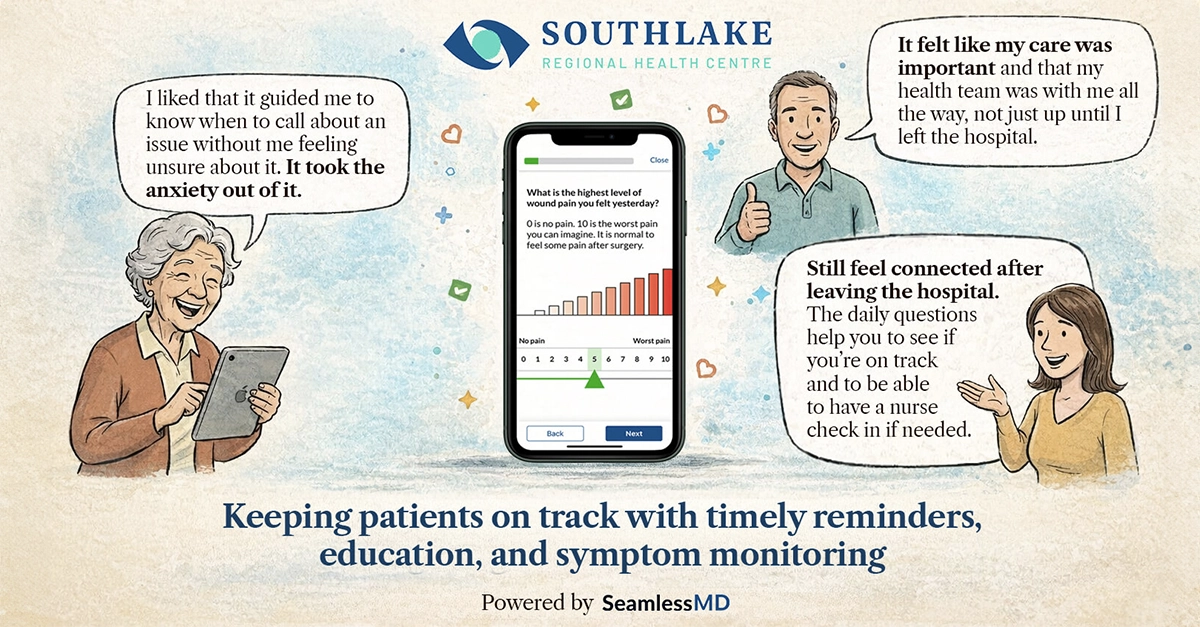
Innovation Spotlight Series: How Southlake Health Is Advancing Patient-Centered Orthopedic Care Through Digital Innovation
January 15, 2026

Innovation Spotlight Series: How Southlake Health Is Advancing Patient-Centered Orthopedic Care Through Digital Innovation

Learn More
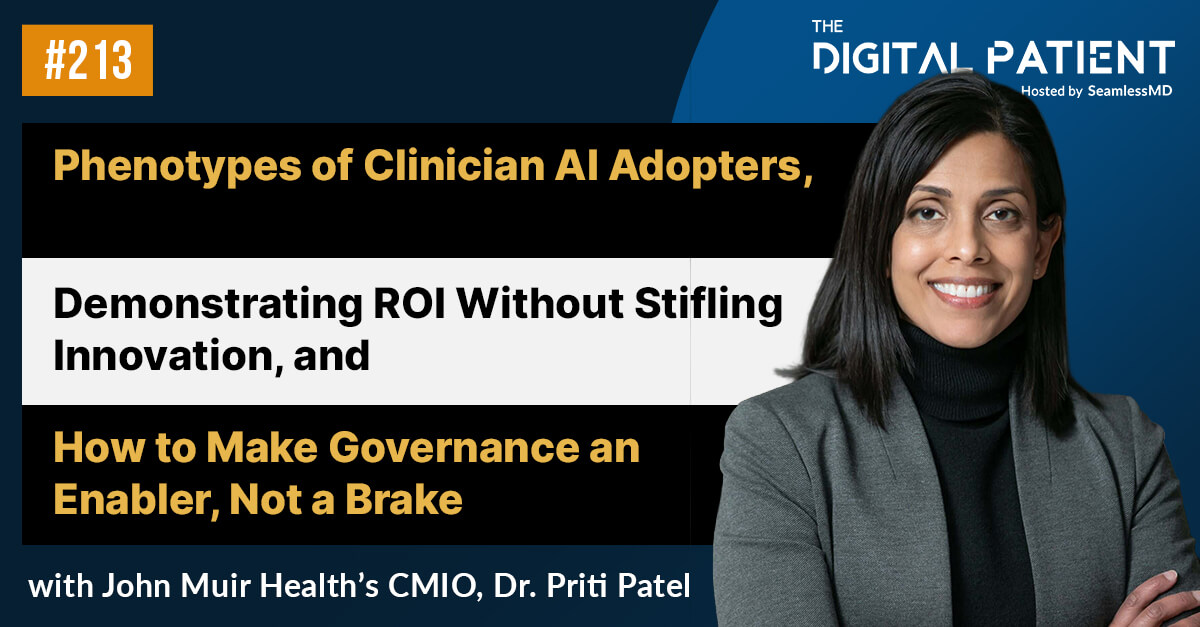
TDP 213: John Muir Health’s CMIO Dr. Priti Patel: Phenotypes of Clinician AI Adopters, Demonstrating ROI Without Stifling Innovation, and How to Make Governance an Enabler, Not a Brake
January 15, 2026

TDP 213: John Muir Health’s CMIO Dr. Priti Patel: Phenotypes of Clinician AI Adopters, Demonstrating ROI Without Stifling Innovation, and How to Make Governance an Enabler, Not a Brake

Learn More
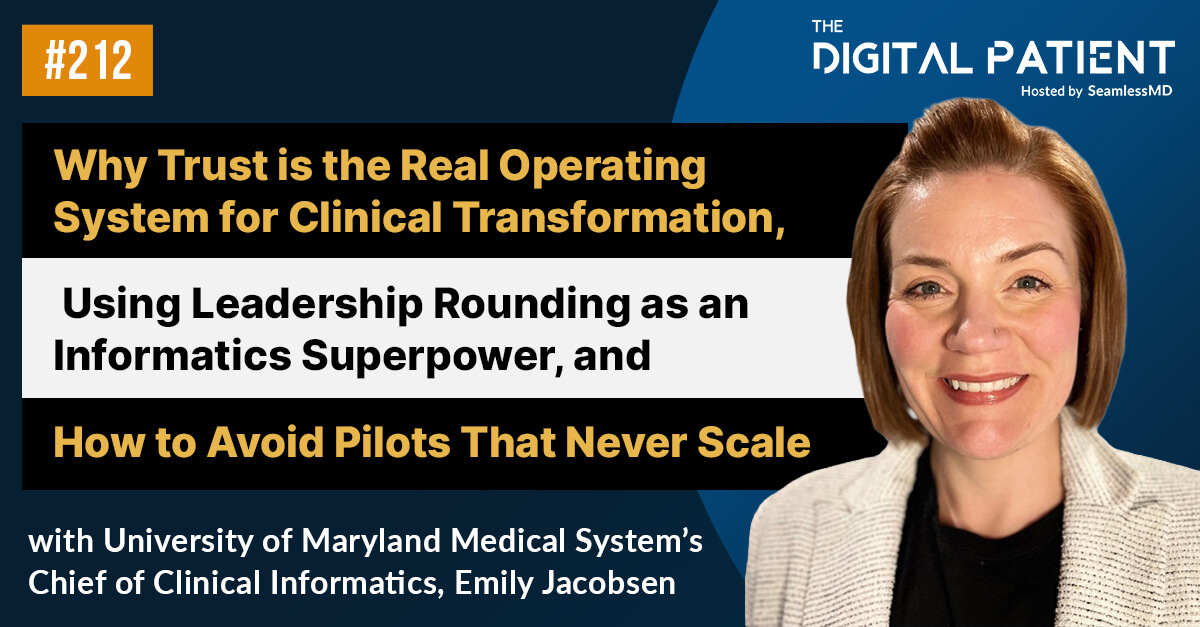
TDP 212: UMMS’ Emily Jacobsen: Why Trust is the Real Operating System for Clinical Transformation, Using Leadership Rounding as an Informatics Superpower, and How to Avoid Pilots That Never Scale
January 13, 2026

TDP 212: UMMS’ Emily Jacobsen: Why Trust is the Real Operating System for Clinical Transformation, Using Leadership Rounding as an Informatics Superpower, and How to Avoid Pilots That Never Scale

Learn More